 Request An Appointment
 CLOSE MENU
 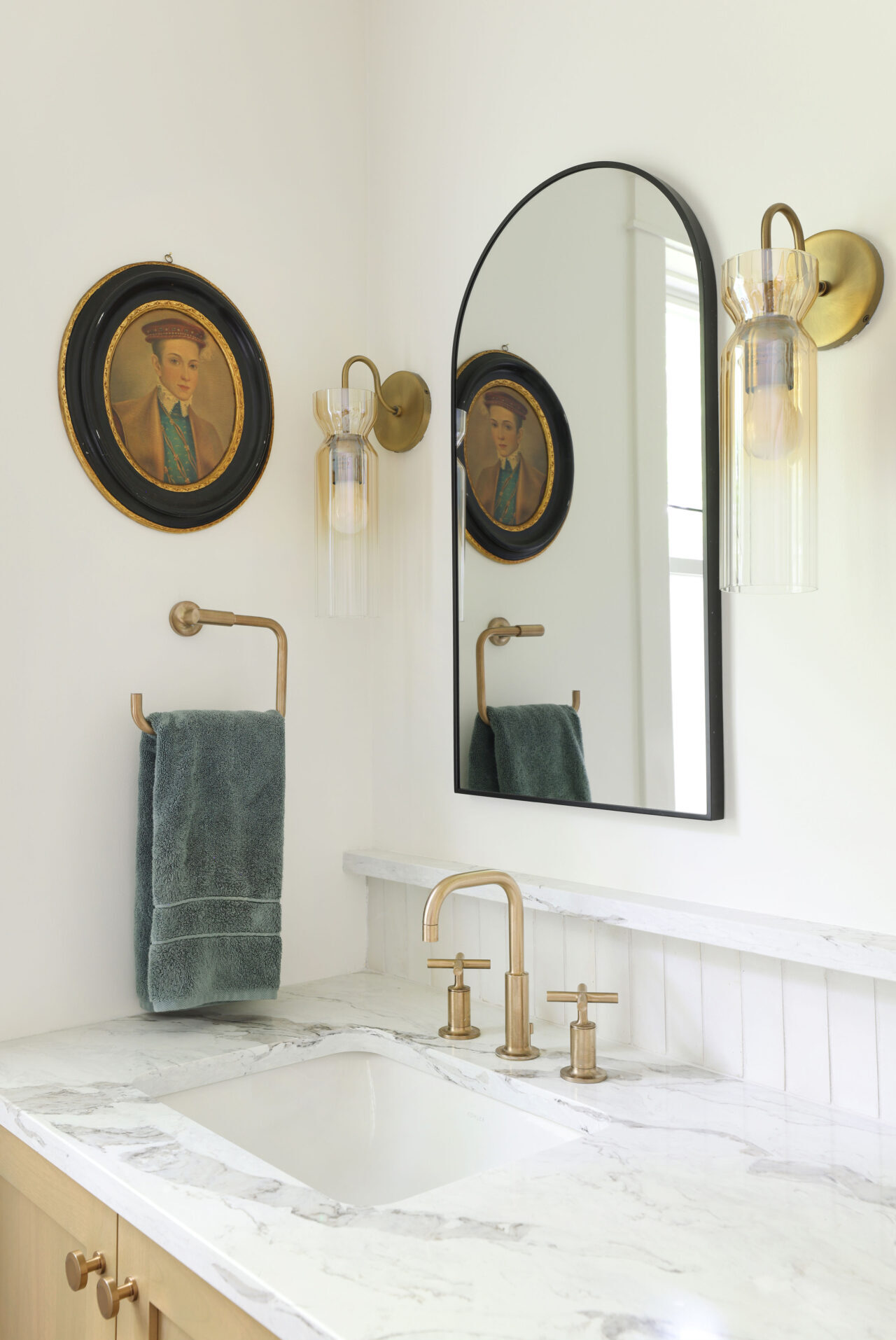 A bathroom mirror is far more than a grooming essential; it is a powerful design tool that can expand a room, add light, and showcase your unique style. According to Normandy Designer Jackie Jensen, these pieces serve a functional and an aesthetic role. “The main use is for styling and personal hygiene,” she says. “But design-wise, a mirror helps define the space by making the room feel brighter and more open. It also acts as a focal point, contributing to the overall style through its shape, size, and frame.”
Selecting Your Silhouette
While the possibilities are virtually limitless, most bathroom designs start with one of these basic mirror shapes:
Rectangles & Squares: These are the most versatile options, blending seamlessly with almost any design style.
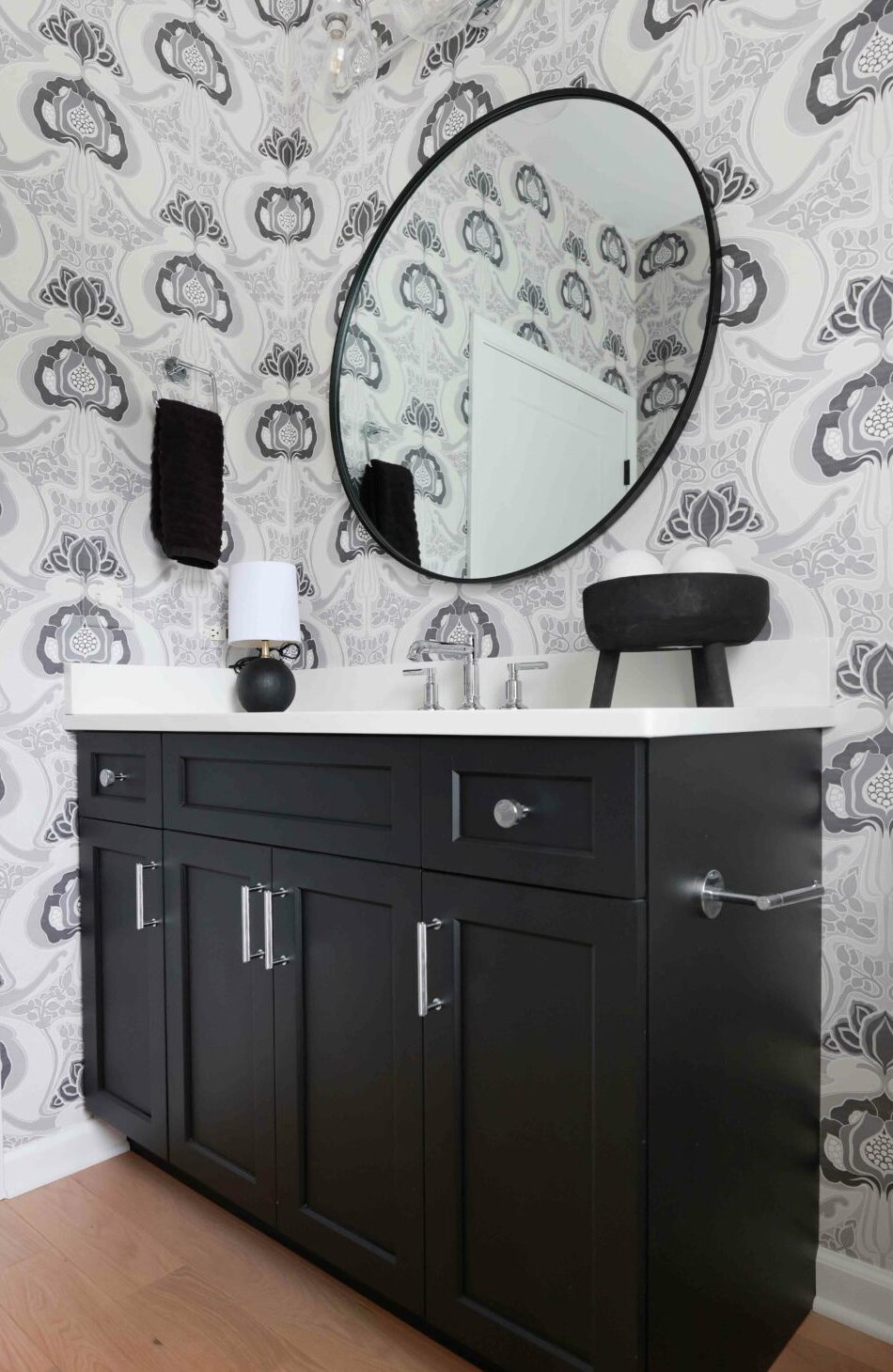
Circles & Ovals: Round mirrors help break up the harsh, linear edges sometimes found in bathroom tiling and cabinetry.
Rounded Rectangles: This shape offers the classic utility and surface area of a rectangle but brings in curved corners to soften the overall look.
 Arched: Ideal for large rooms with higher ceilings, arched mirrors draw the eye upward and provide a sophisticated, architectural feel. “Arched details are trending right now,” Jackie says. “We’re seeing a lot of mirrors and other design elements with curved edges.”
Irregular: For those looking to make a statement – especially in smaller spaces like powder rooms – unusual shapes can offer a chance to express your personal style.
Size and Functionality
Choosing a mirror shape is only part of the equation; the size of the mirror in relation to other elements is also important. As a rule of thumb, a bathroom mirror should stay within 80-90% of the vanity’s width to avoid looking top-heavy. 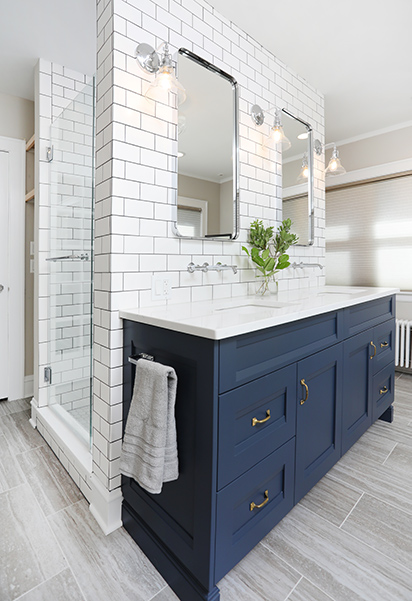 In larger bathrooms with a double vanity, one large rectangular mirror or two separate smaller mirrors generally work best. The size and number of mirrors depend on the daily grooming needs of your household.
Medicine cabinets can sometimes limit the shape and size of the mirror you choose, as they typically come in standard rectangular sizes. However, Jackie notes that more variety is entering the market. “Medicine cabinets have come a long way,” she says. “We’ve seen more arched and oval shapes become available in recent years.”
Mirror framing can also influence the “vibe” of the room. Frameless mirrors offer a clean, contemporary look, while a frame can provide a more defined, traditional feel. Some mirrors offer added versatility if the frame can be swapped without changing the mirror itself. “Some medicine cabinets also incorporate thin frame details that could add a nice touch of metal finish and texture to the space,” Jackie says.
Ultimately, the right mirror does more than complete a bathroom – it transforms the way you experience your daily routine. Whether you opt for the clean lines of a classic rectangle or the bold personality of an asymmetrical statement piece, your choice should strike a balance between your functional needs and your unique design vision.
The award-winning designers at Normandy Remodeling offer thoughtful design solutions and stress-free renovations that will make your house feel like it is a genuine reflection of your personal style. Reach out for an appointment, find inspiration in our photo gallery, or see the latest tips and trends on Instagram, Facebook or Pinterest.