 Request An Appointment
 CLOSE MENU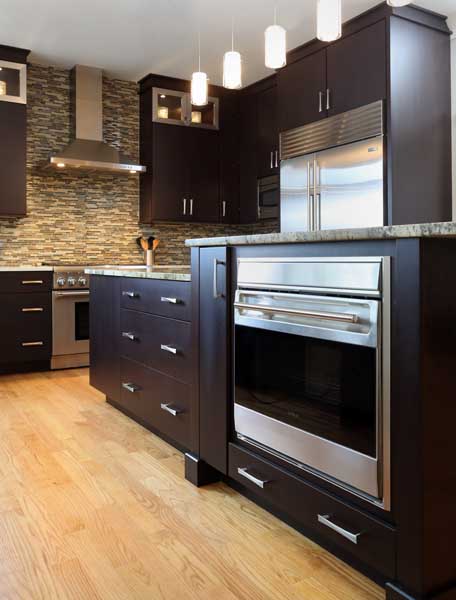
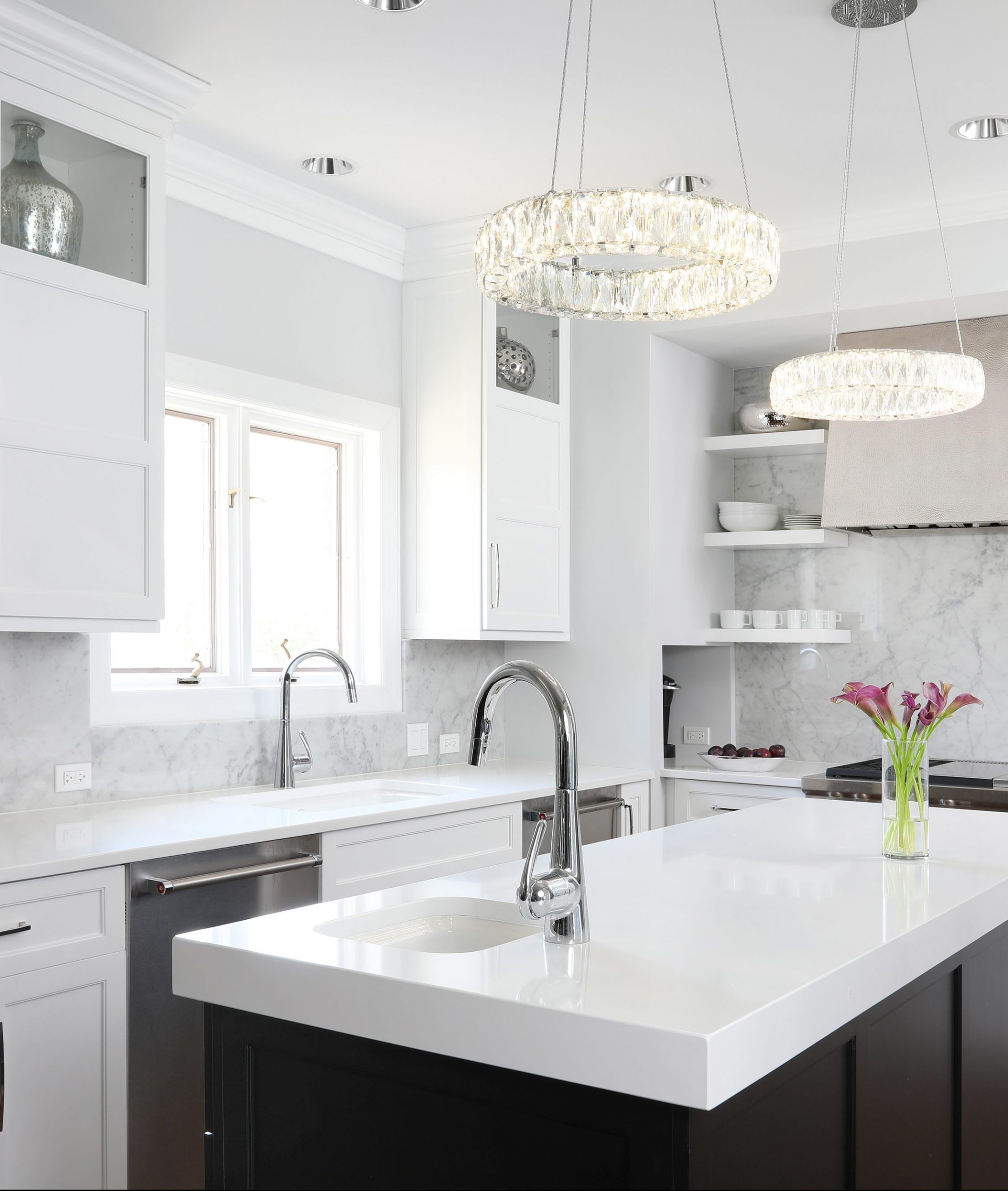
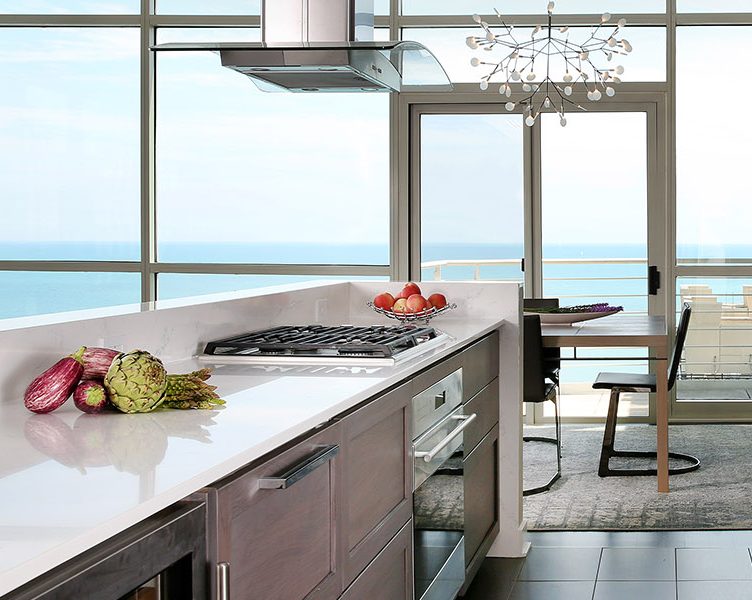 Kitchen islands have evolved from a countertop workspace and storage to another truly functioning element of the kitchen that homeowners can utilize. “Having a kitchen island where there’s some sort of fixture, like a secondary prep sink or appliance, increases the likelihood of the island countertop being used on a more regular basis,” says Normandy Designer Leslie Molloy, CKD. “It’s a huge benefit for the cooks of the family because it creates a better flow in the kitchen and prevents the cook from being stuck in a corner of the kitchen.”
You can also increase your island’s functionality by incorporating seating, which brings more people into the kitchen besides the one cooking, Leslie says. “Adding seating creates a space for children to do homework while dinner is being prepared, for guests to socialize – it can even act as a buffet table during holidays. All of these things help homeowners get more use out of an element that takes up quite a bit of space in the kitchen.”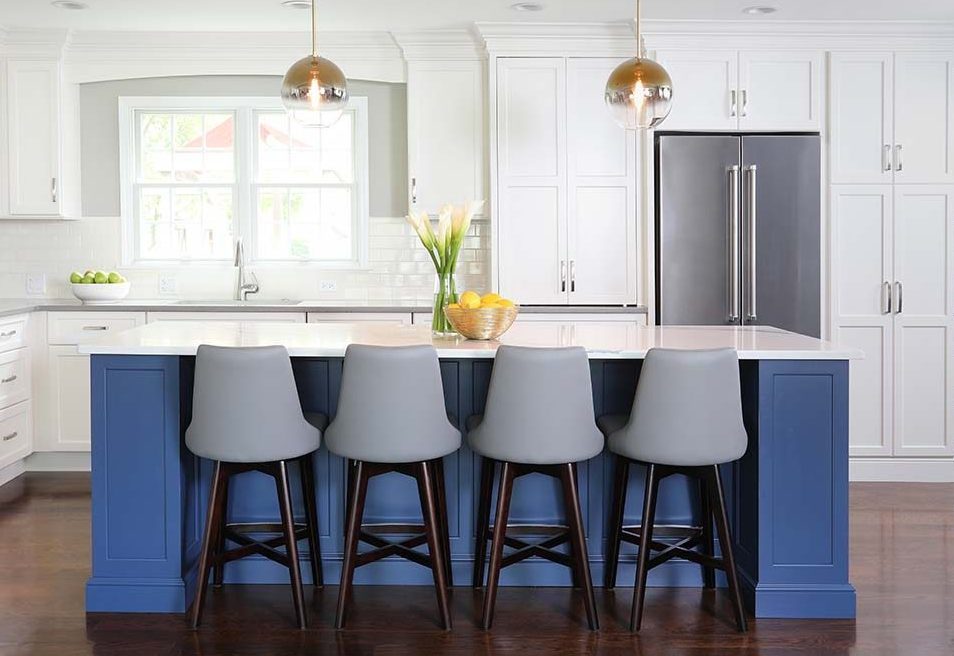
Here are Leslie’s top three things to include in the island (depending on the cook): a secondary prep sink, a microwave and a second oven. “Incorporating appliances in the kitchen island is a great way to make the kitchen look less appliance heavy,” Leslie says.
Why not incorporate an island in your kitchen remodel? If you’re contemplating more extensive changes to your home, set up a time with a Normandy Designer to talk about the possibilities. Check out the photo gallery for more inspiration.
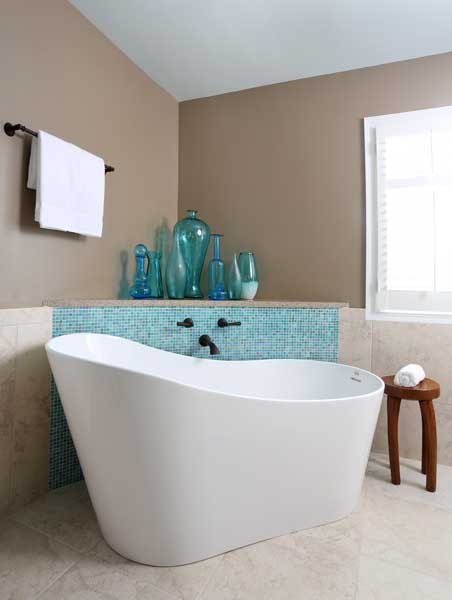
 There are different areas of homes that are just more prone to water, no matter how careful we are. Rooms such as your
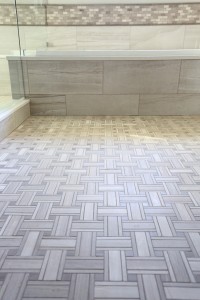
 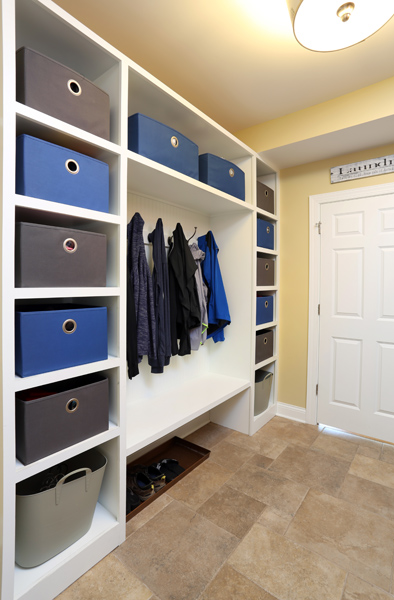 Staying away from high gloss, whether it be ceramic, porcelain or natural stone tile, is a good idea since it tends to be more slippery. If you really love the look of the high gloss, combine it with a matte or honed finish or use it in a mosaic pattern to help reduce slip.