
 Request An Appointment

 CLOSE MENU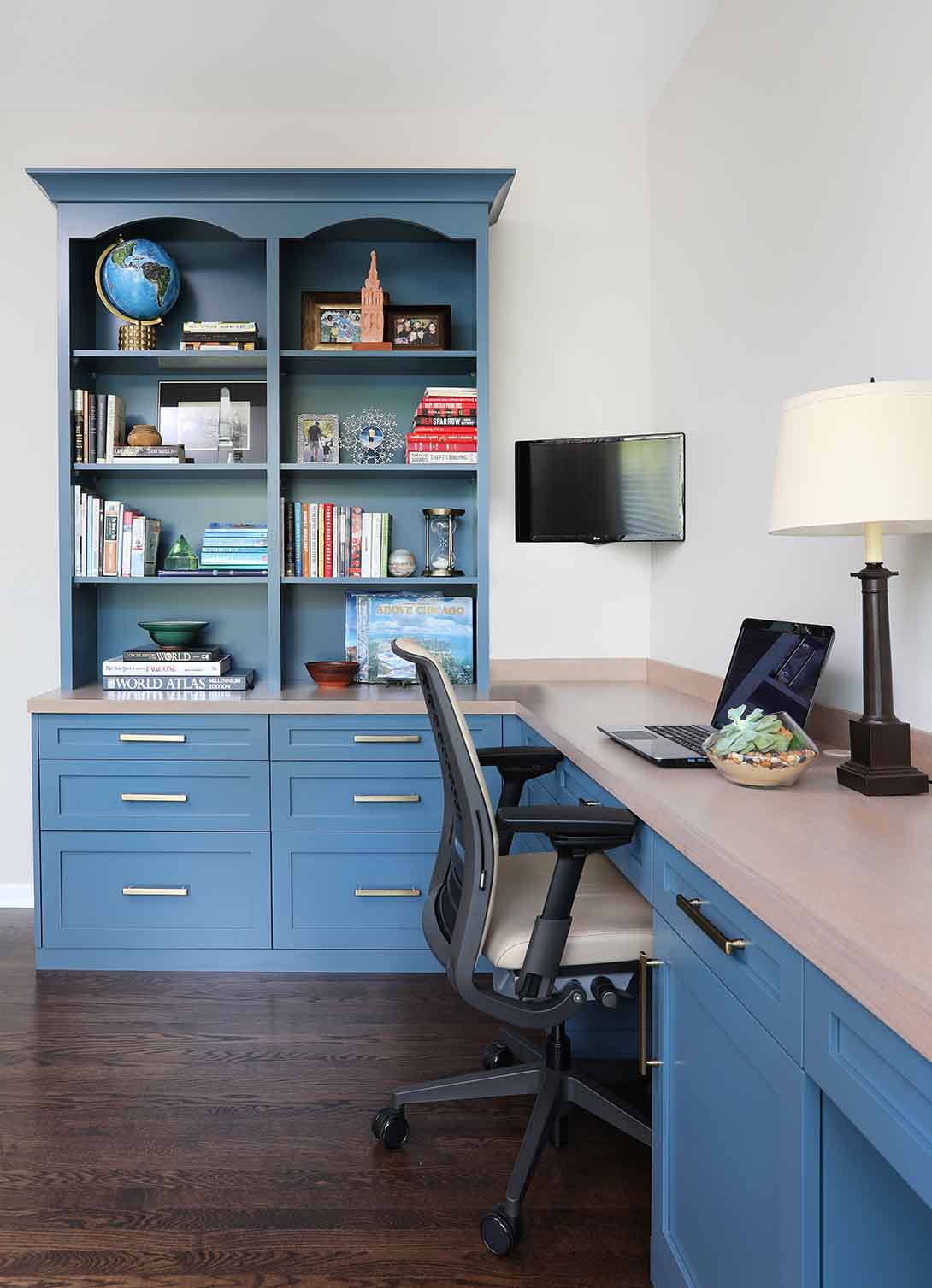
 When your schedule suddenly changes and you find yourself working from home, it can be hard to maintain the boundaries between work time and personal time; which in hindsight seemed so much less complicated when you left the house each day to head to work. Fortunately we’ve gotten some inside tips to share from Normandy Designer Vince Weber, who is a veteran at keeping his home life and work life in balance, no matter where that work takes place.
“Being able to focus on work and focus on my family without having to split my attention is really my goal,” notes Vince. “While it doesn’t always work perfectly, here are some of the tips that I’ve been able to use in the past several years that may be helpful as you find your own rhythm.”
 Your Calendar is your Friend – Schedule out as much of your time as you can, including time with your kids. This means blocking out lunch hours, time to help with homework, or even just puzzle time. “Even though my kids are young, it makes the day easier if they know I’ll be available at 2:00 to help with homework,” shares Vince. “The key earning patience from little ones is to keep your promises, even when work is calling.
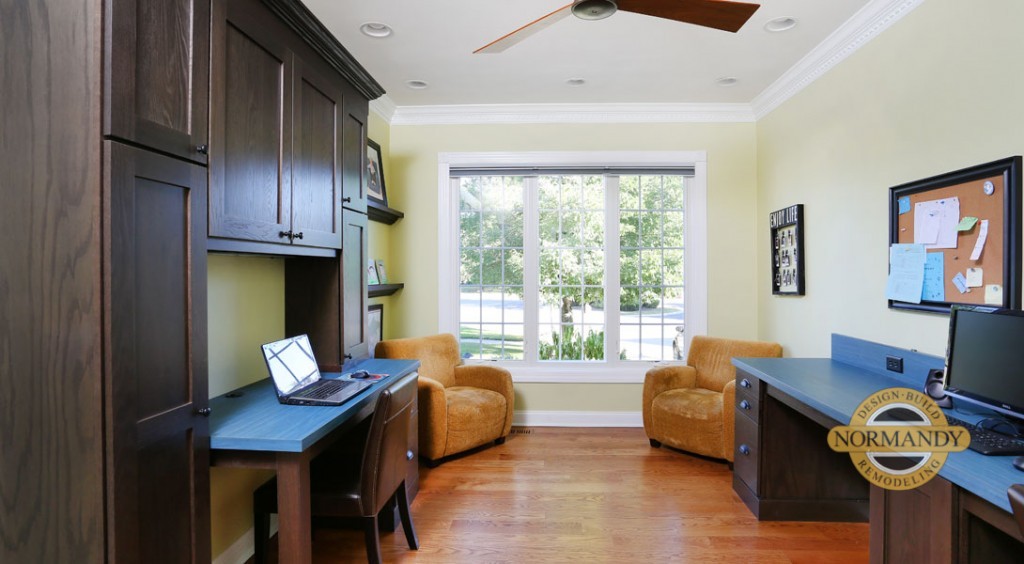
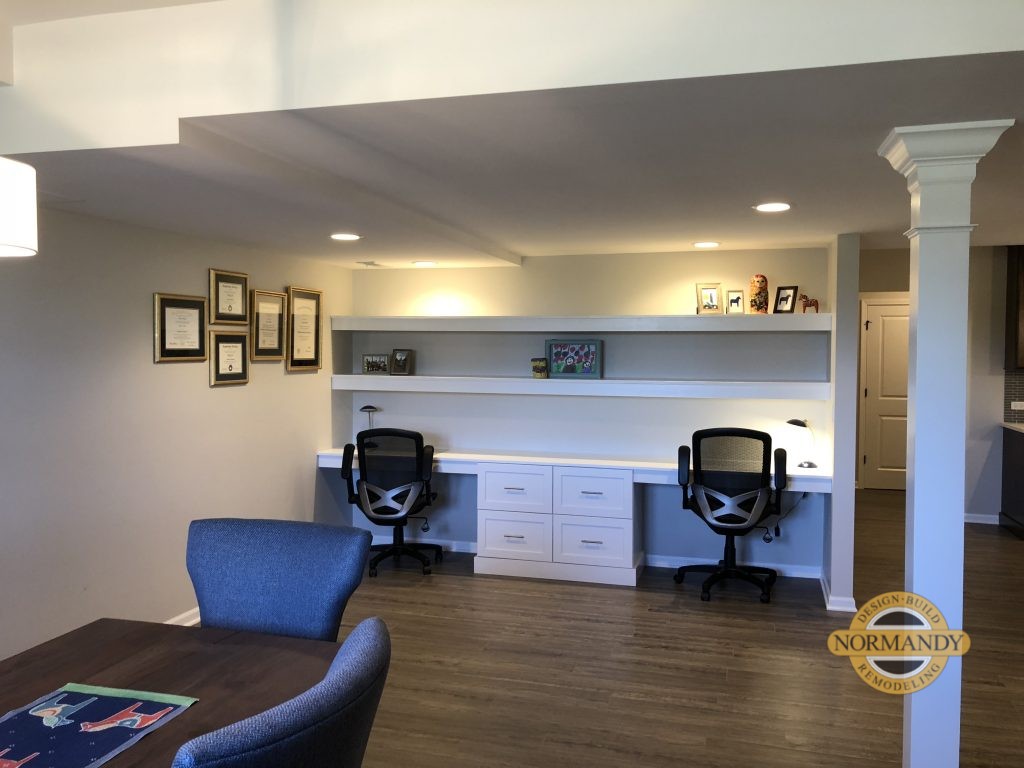
Create a Space that’s Just for Work – “It can be tempting to pull out the laptop and work at the kitchen table so you can still feel like you’re part of the action, but like most people, my work requires that I really concentrate and avoid distractions,” says Vince. “So that means I go into a separate room and close the door to get as much work done as quickly as I can, without distractions.”
Unending Distraction of the Phone – Between texts, emails, and calls, it’s easy to let a huge portion of your day slip away without feeling like you got anything done. Instead of checking in every time it rings or buzzes, try checking only once every 30 minutes. You’ll be amazed at what even that brief respite can do to your productivity.
Be Realistic About Your Expectations – You are probably not going to be able to start at 8AM and work straight through until 5PM, particularly if you have kids at home or even pets that need to be walked. You may need to adopt a more flexible schedule that means working for a few hours early in the morning, taking an afternoon break with the family, fitting in a few hours just before dinner, then back to some family time in the evening. When you find that you have more work than time allows, it may mean staying up late to work a little bit after everyone is in bed, or keeping up the routine into the weekend.
 “Flexibility is key when trying to find a rhythm that will work for you, your family, and your job. You can either look at that requirement for flexibility as an opportunity to do things you would have otherwise missed, or as a burden because things have changed,” says Vince. “For me, I have learned over the years that it doesn’t mean you’ve won or lost if your schedule is different from the typical 9-5, it just means you’ve learned to adapt.”
As a designer, Vince has the added advantage of designing his home to help make his family’s schedule work best for them. While work-from-home may be temporary for you, chances are your home could use some changes regardless to make it a better fit for the way your family lives. Whether that’s a new kitchen, a larger family room, or some additional bedrooms, set up a time to talk to Vince about how he can adapt your home to make it work best for you.
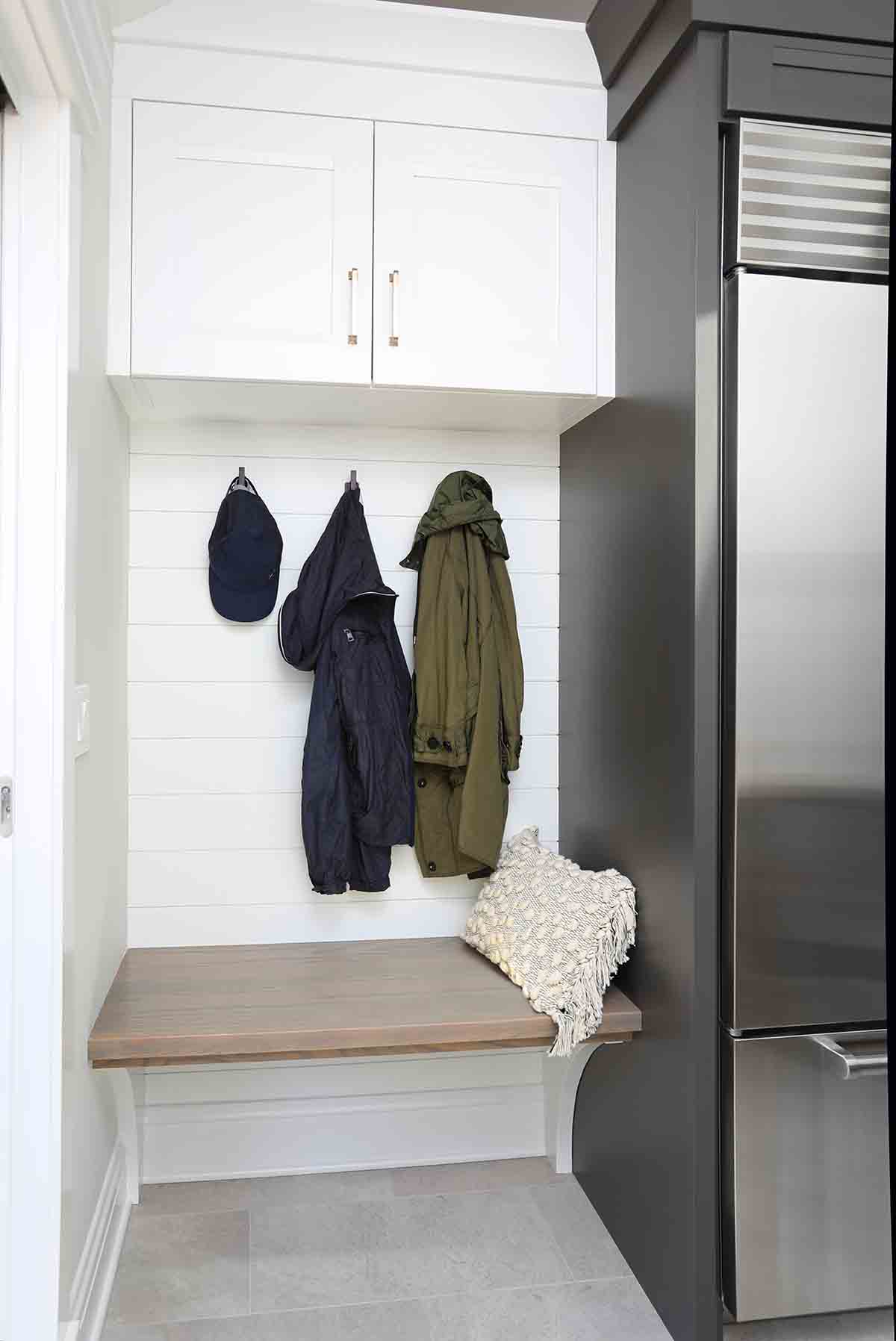
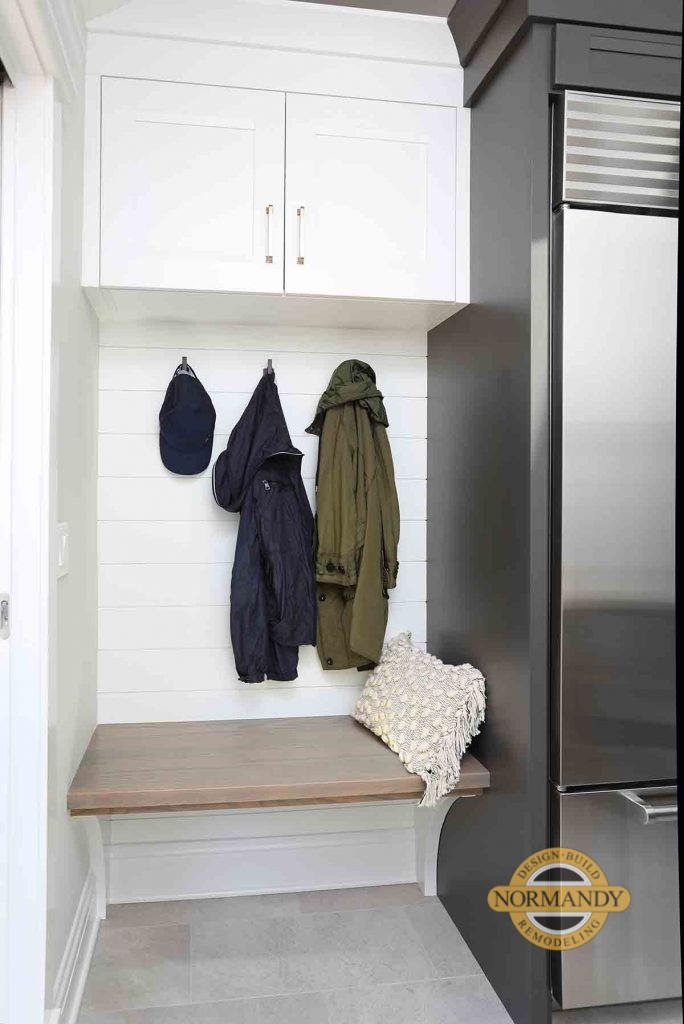 Mudrooms can sound like the kind of thing you only find in large homes with square footage to spare, but nothing could be further from the truth.
 You don’t need to dedicate a lot of space to gain the big benefits of mudroom organization. Carve out a little bit of cabinet space in your kitchen. You can put it behind doors if you don’t want to see the clutter, or leave it open for easier access.
 Whether you’re going for a full size mudroom or a mini version, there are a few tips to keep in mind for mudrooms of any size. Durable materials, like
