 Request An Appointment
 CLOSE MENU
  Blog
Blog Do You Need a Kitchen Backsplash or Can You Skip It?
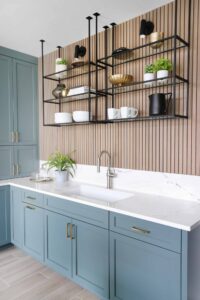
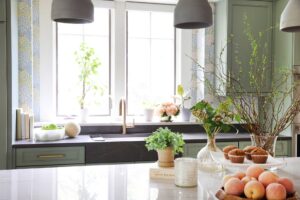 The backsplash has become a centerpiece of kitchen design, but while a full-height backsplash can make a big statement, it isn’t always necessary. In many cases, a shorter solution — or even no backsplash at all, depending on the area of the kitchen — can fit your design or budget goals.
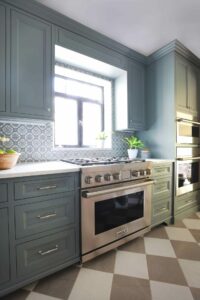
The key is understanding where protection is truly needed. “Anywhere you have a splash zone, where food debris or water could splatter the nearby wall surface, some type of backsplash is ideal,” Normandy Designer Bryan Brisky says. “These high-impact areas typically include the range and, to a lesser extent, the sink. Around the range especially, a backsplash helps shield the wall from grease and cooking residue, though how high it extends is often more of a stylistic choice.”
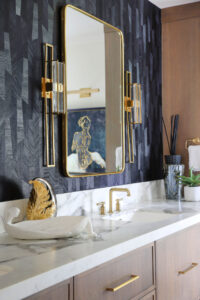
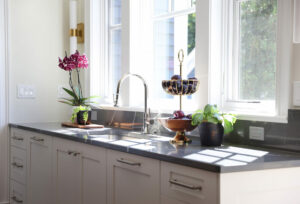
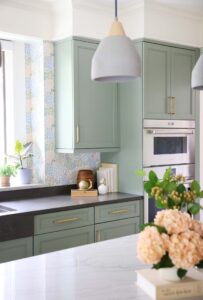
 Outside of these zones, however, people have more freedom. For instance, a kitchen sink or range positioned beneath a window may not require a traditional backsplash at all. In these scenarios, what is referred to as a set-on splash, offers a smart compromise.
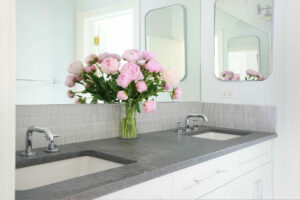
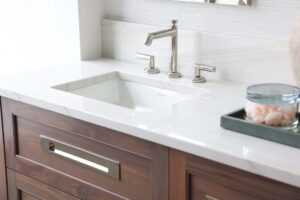
“A set-on backsplash is similar to the standard splash you’ll see on most bathroom vanities, that have the shorter back piece,” Bryan says. “In a kitchen design when there’s a window behind the sink, you could extend the countertop material for the distance between the counter and the window.”
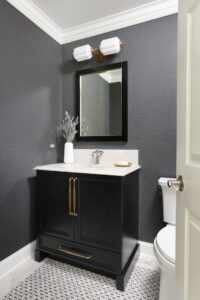
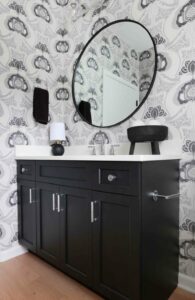
Efficiently sealing paint or wallpaper against food debris like pasta sauce splatter can be challenging, so a small backsplash is a practical safeguard, according to Bryan. “Set-on splashes provide just enough protection without interrupting sight lines or competing with other design elements like wallpaper,” he says. “Skipping a full backsplash can allow wallpaper or painted finishes to flow more seamlessly and can help with budget as well.”
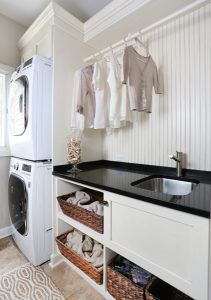
There are also areas where a backsplash simply isn’t necessary. Walk-in pantries and dry storage zones, for example, are not typically exposed to moisture or splatter. “Ultimately, backsplash decisions come down to your design vision and kitchen’s needs,” Bryan says. “While a continuous backsplash can be visually striking, it’s not a requirement. An edited version can be budget-friendly, beautiful and functional for your space.”
To discuss your vision for your kitchen design and what kind of backsplash would work best for your style and kitchen layout, set up a time to talk with Bryan about how to develop the perfect solution for your home. For more design tips, check out our Instagram and Facebook accounts, and our photo gallery of past projects.